
APICOECTOMY

Comprehensive Periapical Surgery Services
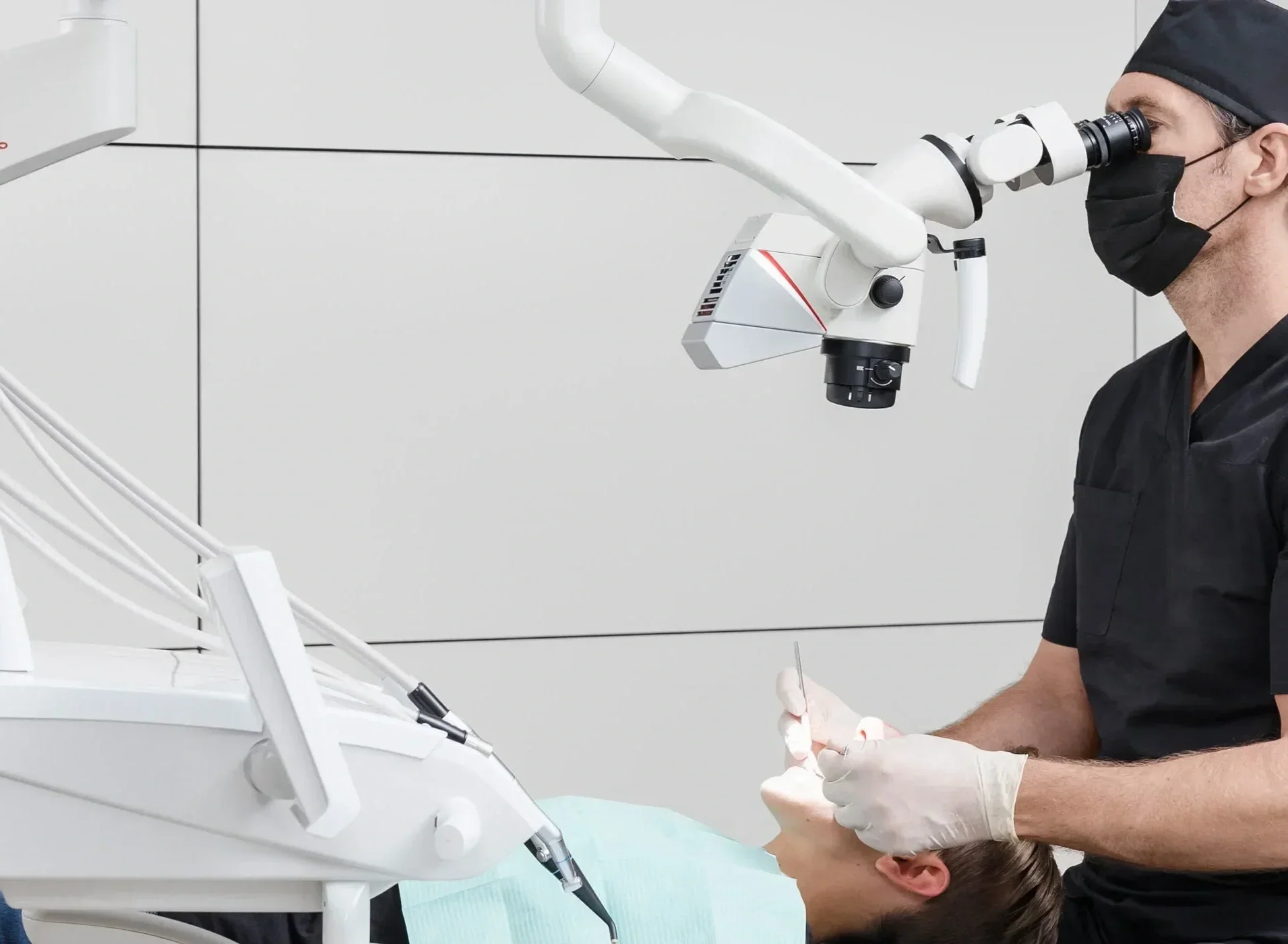
At Island Endodontics, we provide advanced periapical surgery services designed to save teeth that have not healed properly after root canal treatment. One of the most common and effective procedures we perform is an apicoectomy, also known as root-end surgery. This procedure involves removing the tip of the tooth’s root, eliminating infected tissue, and sealing the canal to prevent future infection.
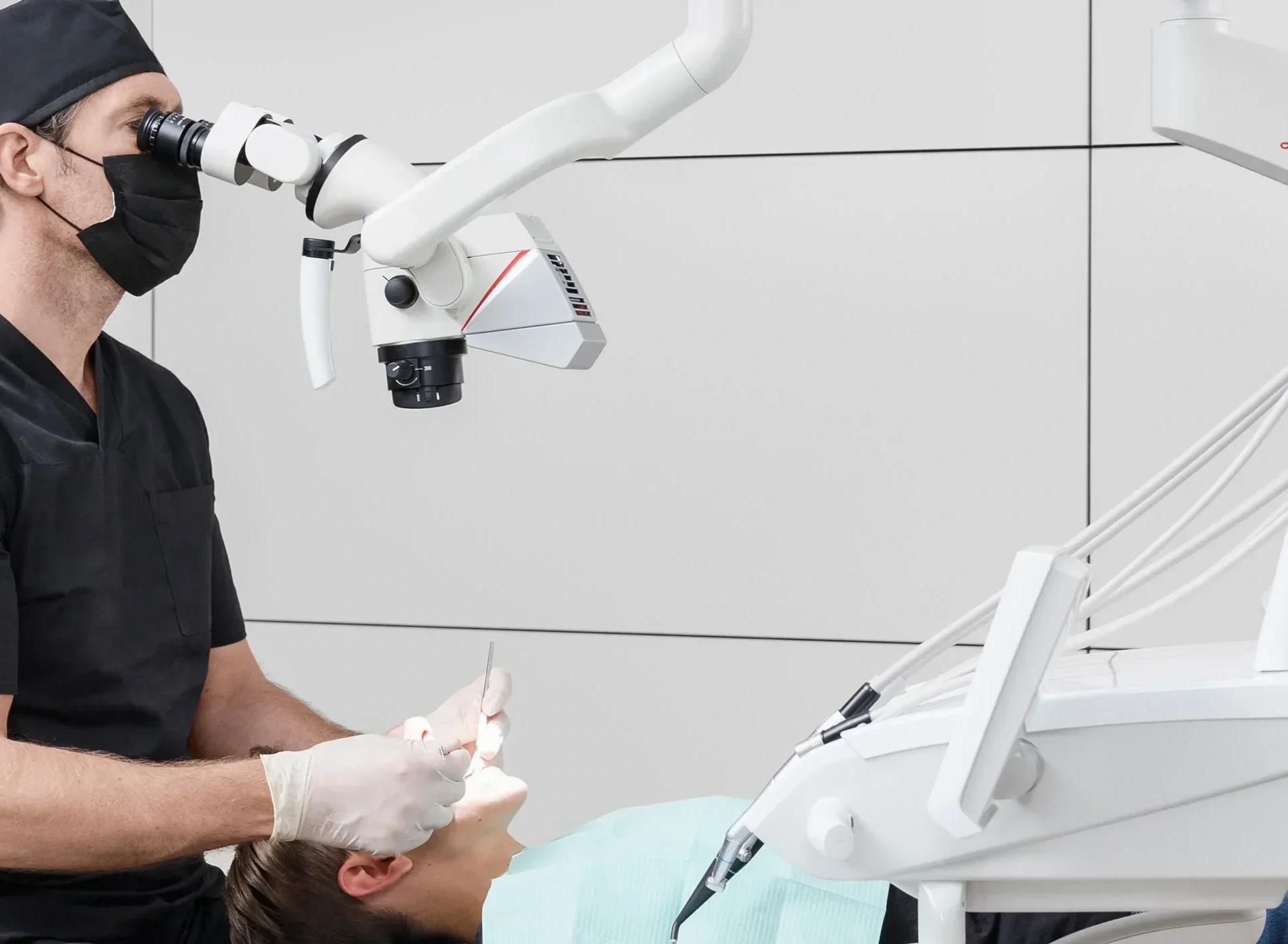
Our team uses modern microsurgical techniques and advanced imaging technology to ensure precision, comfort, and predictable outcomes. During your initial consultation, we will carefully evaluate your tooth and create a personalized treatment plan focused on restoring your oral health. Contact us today to schedule your appointment, with same-day availability whenever possible.
Is periapical surgery the same as a root canal?
No. A root canal treats infection inside the tooth, while periapical surgery treats infection at the tip of the root and surrounding bone. It is typically performed when a previous root canal has not fully resolved the problem.
Will I feel discomfort during an apicoectomy?
Most patients experience little to no discomfort during the procedure. The area is fully numbed with local anesthesia, and modern microsurgical techniques help minimize any sensations during treatment. Mild soreness afterward is normal and usually manageable with over-the-counter medication.
Frequently Asked Questions
-
An apicoectomy is a minor surgical procedure in which the tip of the tooth’s root is removed and sealed to eliminate infection and preserve the natural tooth when a standard root canal is not sufficient.
-
Most patients recover quickly, typically within a few days. Mild swelling or tenderness may occur, but it usually subsides within 3–5 days, and normal activities can often be resumed within 24–48 hours.
-
Apicoectomies have a high success rate, often exceeding 85–90%, especially when performed using modern techniques and technology. They are a reliable solution for saving teeth that might otherwise need extraction.
-
Yes. The procedure is performed under local anesthesia to ensure you remain completely comfortable. Additional sedation options may also be available for patients who feel anxious.
-
Most patients report minimal discomfort during and after the procedure. Modern techniques and effective anesthesia make the experience very manageable, similar to other routine dental treatments.
-
Yes. A follow-up visit is typically scheduled to monitor healing and ensure the area is recovering properly. Your doctor will provide detailed aftercare instructions to support a smooth recovery.
Do You Need a Root Canal or Endodontic Procedure?
Dental Discoloration
Broken Teeth
Sensitivity to cold
Sensitivity to heat
Severe discomfort when chewing
Severe discomfort when applying pressure
Serious tooth decay